3D Eagle Laser Engrave File: A Practical Guide to High-Quality Design for Custom Projects
In the world of laser engraving and digital design, finding a versatile and high-quality file can make all the difference in bringing your creative ideas to life. The 3D Eagle Laser Engrave File is one such resource that stands out for its clarity, detail, and adaptability across various materials and applications. Whether you're crafting home decor, personalizing wood items, or working on stationery and textiles, these files offer a professional-grade option that simplifies the design process while ensuring impressive results.
What Is a 3D Eagle Laser Engrave File?
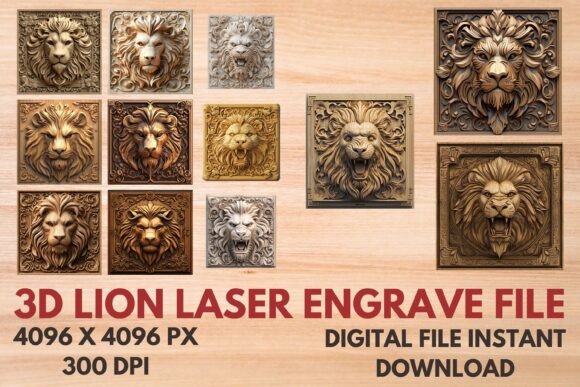
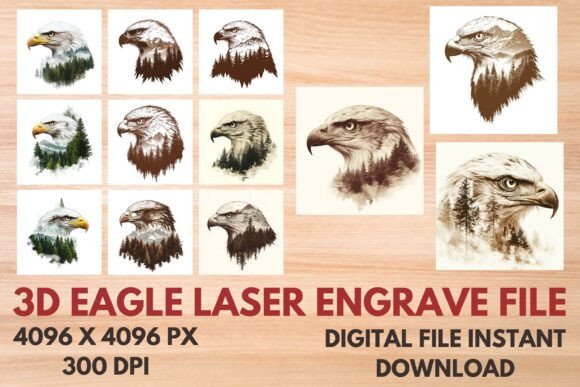
A 3D Eagle Laser Engrave File typically refers to a set of digital image files specifically formatted for laser engraving machines. These files are designed with depth perception and layered details to create an illusion of three-dimensionality when engraved onto surfaces. Unlike traditional flat vector images, 3D engravings add texture and dimension, making them ideal for creating visually striking designs.
The package includes multiple versions of each design, such as PNG and SVG formats, both in color and black-and-white variations. This flexibility allows users to choose the best option depending on their project needs and equipment capabilities. Each file is crafted with a transparent background, which enhances precision during alignment and ensures seamless integration with different substrates.
Key Features of 3D Eagle Laser Engrave Files
- High-Resolution PNGs (4096x4096 at 300dpi): Perfect for detailed laser engraving on materials like glass, acrylic, or leather, where resolution plays a key role in final quality.
- SVG Files: Scalable Vector Graphics ensure sharp lines and shapes regardless of size, making them suitable for engraving on metals, wood, or other rigid surfaces.
- Transparent Backgrounds: Enable easy placement and alignment of the design without unwanted edges or borders.
- No Editable Layers: While the files aren’t editable, they’re optimized for direct use with most laser cutting and engraving software.
- Digital Delivery Only: Instant access via a downloadable ZIP file after purchase means no waiting for shipping and immediate usability.
Strengths of Using 3D Eagle Laser Engrave Files
One of the main advantages of the 3D Eagle Laser Engrave File is its ability to produce intricate and lifelike engravings. The 3D effect gives your projects a premium look, especially when used on materials that respond well to depth, such as wood or stone. For example, engraving an eagle design onto a wooden plaque using this file will result in a more realistic and eye-catching finish compared to a standard 2D vector graphic.
Additionally, the inclusion of both colored and black-and-white options allows for customization based on the material and machine being used. Some laser engravers work better with grayscale images, while others handle color files effectively. Having both types available ensures compatibility with a wide range of setups.
Best-Fit Applications and Use Cases
These files are particularly useful for creators who want to add depth and realism to their engravings. Here are some common use cases:
- Home Decor: Engraving 3D eagles onto picture frames, mirrors, or wall art adds a dramatic visual element.
- Woodworking: Ideal for custom signs, furniture accents, or decorative panels where depth and contrast matter.
- Stationery & Textiles: Can be adapted for embossing or heat transfer methods to give cards, fabric, or leather goods a dimensional touch.
- Tableware and Packaging: Suitable for laser-cutting into acrylic or engraving onto ceramics and metal surfaces for unique branding or gift items.
- Fashion Prints: With proper scaling and conversion techniques, the designs can be applied to fabric for clothing or accessories.
For instance, if you're planning to engrave an eagle motif onto a leather journal, the black-and-white PNG version would provide strong contrast, helping the laser carve deeper and more defined lines. Alternatively, if you're printing on paper or fabric, the colored PNG could be used for dye-sublimation or screen-printing techniques.
Tradeoffs and Limitations
While the 3D Eagle Laser Engrave File offers many benefits, it’s important to consider some limitations before purchasing:
- Lack of Editable Layers: Since the files aren't editable, users must rely on external software for resizing or modifying the design. This requires basic knowledge of tools like Adobe Illustrator or Inkscape.
- Material Compatibility: Not all materials react the same way to 3D engravings. Soft materials like felt or thin plastic may not show the full effect, whereas harder materials like wood, acrylic, or metal do.
- Machine Requirements: To fully leverage the 3D aspect, your laser engraver should support variable power settings or have the capability to interpret depth from grayscale values.
These factors mean that while the files are highly versatile, they may not be suitable for every type of project. It's essential to match the design complexity with the machine's specifications and the chosen material’s properties.
Comparing 3D Eagle Laser Engrave Files to Other Options
When evaluating laser engraving files, it's helpful to compare how the 3D Eagle Laser Engrave File stacks up against similar resources. Traditional 2D SVG files, for example, are great for clean line work and logos but lack the dimensional appeal of 3D designs. On the other hand, low-resolution PNGs might work for simpler projects but won’t deliver the same level of detail when scaled up.
The 3D format also differs from raster-based images used in CNC carving. While those often require specialized carving tools and 3D modeling software, the 3D Eagle Laser Engrave File works directly within most laser engraving software, reducing setup time and effort.
If you're looking for something that balances artistic depth with practicality, the 3D Eagle Laser Engrave File provides a compelling middle ground. However, if you need a fully customizable base for redrawing or adjusting elements, then a vector-based file from a design suite like CorelDRAW or Adobe Illustrator might be a better fit.
When to Choose 3D Eagle Laser Engrave Files
The 3D Eagle Laser Engrave File is an excellent choice when you need a ready-to-use design with rich visual effects. Consider using it if:
- You're working with materials that benefit from depth, such as wood, metal, or thick plastics.
- Your project doesn't require extensive editing or layer adjustments.
- You want to streamline your workflow by avoiding complex design creation from scratch.
- You're targeting niche markets like personalized gifts or upscale home décor where aesthetics matter.
However, if your goal is to modify the design significantly—like changing the eagle’s posture, colors, or adding text—you may need a more flexible file type or a vector-based illustration that supports layer editing.
Practical Tips for Getting the Most Out of the Files
To maximize the potential of the 3D Eagle Laser Engrave File, follow these best practices:
- Use Proper Software: Import the files into compatible laser engraving software such as LightBurn, RDWorks, or LaserCAD to adjust positioning and scale accurately.
- Test on Sample Material: Before engraving the final product, test the design on a scrap piece of your chosen material to fine-tune speed and power settings.
- Respect DPI Settings: Ensure your machine recognizes the 300dpi setting for optimal print quality, especially when using PNG files.
- Optimize Grayscale for Depth: If using black-and-white PNGs, check that the grayscale levels are properly adjusted to reflect the intended depth in the engraving.
By understanding these nuances, you can achieve professional-looking results even with limited experience in laser engraving.
Alternatives to Explore
Depending on your specific needs, there are several alternatives worth considering:
- Custom Vector Designs: For complete control over layout and content, hiring a designer to create a tailored SVG file might be preferable.
- 3D Modeling Files (STL/OBJ): If you plan to do 3D carving rather than engraving, these formats are more appropriate but require advanced software and machinery.
- Low-Poly 3D Files: These simplify the 3D structure for easier processing and can be ideal for certain laser systems or budget-conscious users.
- Open-Source Design Libraries: Platforms like OpenSCAD or Tinkercad offer editable 3D models that can be customized further but demand more technical skill.
Each alternative has its own set of pros and cons, and the right choice depends on your project scope, technical abilities, and desired outcome.
Final Thoughts on Choosing the Right File Type
Ultimately, the 3D Eagle Laser Engrave File serves as a valuable asset for anyone looking to enhance their laser engraving projects with depth and character. Its high-resolution PNGs and scalable SVGs make it adaptable to a variety of materials and applications. However, since the files are not editable, they work best for users who prefer pre-made designs and don’t need to customize the artwork extensively.
Before purchasing, evaluate your engraving goals and machine capabilities. If you're seeking a quick, high-quality solution for creating dimensional effects, this file set is a solid option. But if you require full customization or are new to laser engraving, you might want to start with simpler templates or invest in learning design tools.
Thanks for shopping with us and taking the time to explore your options. By choosing the right resources, you’ll be better equipped to turn your creative visions into tangible, beautiful products.